Are you looking to make a lifestyle change and improve your health? The keto diet is gaining in popularity as an effective way to lose weight, boost energy levels, and promote overall well-being. In this blog post, we’ll cover everything you need to know about the keto diet – from what it is and how it works, to the various benefits of following a ketogenic eating plan. We’ll also provide an easy guide for getting started on the keto diet so that beginners can jump right in with confidence. So if you’re ready to learn more about how the keto diet could help you reach your health goals, read on!
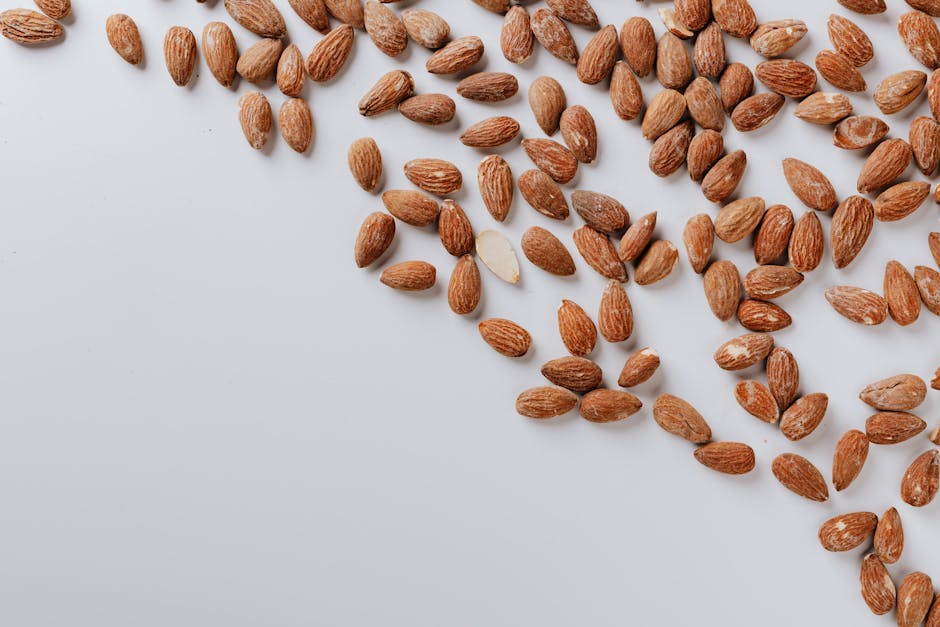 Photo by Karolina Grabowska on Pexels
What is the Keto Diet and How Does it Work.
The keto diet is a very low-carb, high-fat eating pattern that puts the body into a state of ketosis. In this metabolic state, the body begins to produce molecules called ketones from fat. The primary source of energy for cells in the body under normal circumstances is glucose, but when there are not enough carbs present in the diet to supply glucose to cells, they can begin utilizing these ketones for fuel instead.
This process of burning stored fat as an energy source instead of carbohydrates is what makes the keto diet so effective for weight loss and other health benefits. When following a strict low-carb plan and maintaining adequate hydration levels, most individuals will enter into a state of nutritional ketosis within two weeks or less and remain there until their goals have been achieved or until they choose to return to their pre-keto habits.
The Science Behind the Keto Diet.The science behind how exactly this dietary transition leads to reduced appetite and improved cognitive function revolves around several key factors: firstly, it reduces hunger by increasing satiety hormones such as leptin while decreasing ghrelin; secondly, it increases fatty acid oxidation which helps burn more calories; thirdly, it also increases insulin sensitivity leading to lower blood sugar levels; fourthly, it decreases inflammation by reducing pro-inflammatory cytokines and increasing anti-inflammatory ones; fifthly, it increases glutathione production which helps protect against oxidative stress; finally, it enhances mitochondrial function contributing further increased energy efficiency throughout the body's cells. All these effects together create a positive feedback loop that results in improved physical performance as well as mental clarity and focus after only a few days on the diet – making it ideal for those just starting out with their health journey who want quick changes without sacrificing long term results.
Benefits of the Keto Diet for Beginners.
The keto diet is a high-fat, low-carbohydrate approach to nutrition that encourages the body to burn fat for energy instead of carbohydrates. As a result, many people experience rapid weight loss when first starting the diet. Additionally, the reduction in carbs may lead to decreased appetite and less cravings for unhealthy foods. A study conducted by Harvard Medical School found that participants in a low-carb diet group lost an average of 8 pounds more than those in a low-fat group after six months.
Improved Cognitive Function and Energy Levels.In addition to its potential for weight loss, the ketogenic diet can also benefit cognitive function and increase energy levels due to its effect on blood sugar regulation and insulin sensitivity. Studies have shown that individuals following the ketogenic diet experienced improved concentration, focus, memory recall, reaction time, and decision making capabilities both short term and long term compared to those not following it. Furthermore, since carbohydrates are limited on this eating plan, the body begins using fat as fuel instead of glucose which leads to sustained energy throughout the day without feeling fatigued or lethargic like with other diets.
Potential Health Benefits Including Managing Diabetes And High Blood Pressure .The keto diet has been studied extensively for its possible health benefits including managing diabetes type 2 and high blood pressure (hypertension). Research suggests that when followed correctly this eating plan can help lower fasting blood sugar levels significantly while at the same time helping reduce blood pressure levels slightly over time - two major risk factors associated with cardiovascular disease development . Additionally , it has been suggested that because this way of eating increases dietary fiber intake it may even reduce inflammation throughout the body which could lead to other positive health outcomes such as improved metabolism , strengthened immune system , better gut health , etc .
Getting Started: Beginner's Guide to the Keto Diet.
Before you start the keto diet, it's important to have a plan in place. Start by setting realistic goals for yourself such as weight loss, increased energy levels, or improved health markers such as blood sugar or cholesterol levels. Once your goals are set, create a tracking system that will allow you to monitor your progress over time. This could include daily food logs, weekly weigh-ins, or monthly lab tests if necessary.
Calculating Your Macros and Meal Planning.Once you have an understanding of your goals and a way to track progress, it’s time to calculate your macros – how much protein, fat and carbohydrates you should eat each day on the keto diet in order to reach those goals. This can be done using an online calculator that takes into account gender, age, height and activity level among other variables. After calculating your macros it is important to meal plan accordingly so that you are able to stick with the diet long term without getting bored or feeling deprived of essential nutrients or calories.
Shopping and Preparing Keto-Friendly Foods.The next step is shopping for foods that meet the requirements of a ketogenic diet including high fat foods like avocados and nuts; moderate amounts of protein from lean meats; very low amounts of carbohydrates from leafy green vegetables; healthy fats from olive oil or coconut oil; dairy products like cheese; fermented foods like sauerkraut; spices for flavor enhancement; plenty of water throughout the day; herbal teas for hydration purposes; and supplements if needed (i.e., magnesium). Once all these items are purchased they must then be prepared into meals in order to adhere strictly to the dietary guidelines set by this type of lifestyle change which calls for cooking most meals at home instead of eating out due convenience reasons although there are some restaurants now offering ‘keto friendly’ menu items which make this easier than ever before!
Conclusion
Starting the Keto Diet can be a daunting task for beginners, but it doesn't have to be. By understanding the science behind ketosis and ketones, setting goals and tracking progress, calculating macros and meal planning, shopping for keto-friendly foods, and knowing the potential health benefits of this diet – you'll soon find yourself on your way to a healthier lifestyle. The Keto Diet is an excellent choice for those looking to lose weight quickly and improve their cognitive function while also managing diabetes and high blood pressure. With dedication and consistency comes success – so don't give up! Take control of your health today by starting the Keto Diet now – you won't regret it!
Comments
Post a Comment